Goodfellas Script PDF: A Comprehensive Guide (Updated 04/21/2026)
Today, April 21st, 2026, aspiring screenwriters and film enthusiasts can readily access the Goodfellas script PDF online.
This 127-page screenplay, penned by Nicholas Pileggi and Martin Scorsese, offers invaluable insights into crafting compelling narratives and authentic dialogue.
Resources like ScriptStreams and The Movie Database provide access, alongside rare early drafts like the “Wiseguys” version with Scorsese’s handwritten notes.
Goodfellas, released in 1990, isn’t merely a cinematic masterpiece; it’s a masterclass in screenwriting. The Goodfellas script PDF serves as a crucial resource for understanding Martin Scorsese and Nicholas Pileggi’s collaborative genius. Based on Nicholas Pileggi’s non-fiction book “Wiseguys,” the screenplay meticulously details the rise and fall of Henry Hill, a mob associate.
The script’s enduring appeal stems from its raw authenticity, dynamic pacing, and unforgettable characters. It’s a prime example of how to effectively utilize voiceover narration to immerse the audience in a character’s internal world. Studying the Goodfellas script reveals Scorsese’s innovative approach to visual storytelling and his ability to create a visceral, unforgettable cinematic experience. Accessing the PDF allows aspiring screenwriters to dissect the structure, dialogue, and overall narrative techniques employed in this iconic film.
Where to Download the Goodfellas Script PDF
Several online platforms offer the Goodfellas script PDF for download and analysis. ScriptStreams is a dedicated resource for screenplays, providing easy access to the Goodfellas screenplay alongside insightful commentary. The Movie Database (TMDb) also lists resources and links related to the film, potentially leading to script availability. A simple search on TMDb for “Goodfellas” can initiate your search.
Furthermore, free PDF versions are often available through general online searches, though verifying the source’s legitimacy is crucial. Be mindful of copyright considerations when downloading. For those interested in earlier drafts, rare copies of the “Wiseguys” script, featuring Scorsese’s handwritten notes, occasionally surface online, offering a unique glimpse into the film’s development.
The Authors: Nicholas Pileggi and Martin Scorsese
The Goodfellas script PDF represents a remarkable collaboration between author Nicholas Pileggi and director Martin Scorsese. Pileggi’s non-fiction book, “Wiseguy,” served as the foundational source material, providing the gritty realism and detailed accounts of mob life that define the film. Scorsese, renowned for his masterful storytelling and visual style, expertly adapted Pileggi’s work into a cinematic masterpiece.
Their combined talents resulted in a screenplay celebrated for its authentic dialogue, compelling characters, and unflinching portrayal of the criminal underworld. The early drafts, including the “Wiseguys” version, showcase Scorsese’s meticulous approach, filled with handwritten notes and revisions, demonstrating his dedication to capturing the essence of Pileggi’s narrative.
Analyzing the Goodfellas Screenplay
Goodfellas’ script PDF reveals Scorsese and Pileggi’s brilliance in structure, pacing, and character arcs, offering a masterclass in cinematic storytelling and authentic dialogue.
Overall Script Length and Format
The Goodfellas script PDF, based on Nicholas Pileggi’s novel, clocks in at a concise 127 pages, a testament to its tightly woven narrative and efficient storytelling. This length is remarkably streamlined for a film of its scope and complexity, demonstrating Scorsese’s and Pileggi’s commitment to impactful brevity.
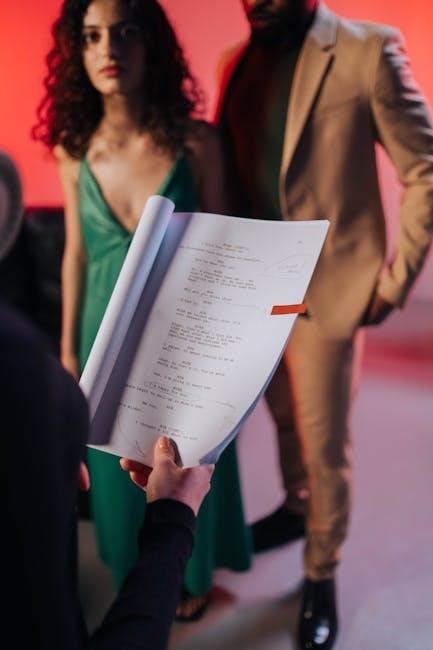
The script adheres to standard screenplay formatting conventions, utilizing Courier New font, 12-point size, and proper margins. This professional presentation facilitates readability for actors, crew, and industry professionals. Examining the Goodfellas script PDF reveals a clear and organized structure, with scene headings, action lines, and dialogue meticulously formatted.
The visual layout enhances the script’s flow, allowing readers to quickly grasp the narrative’s progression and visualize the film’s dynamic sequences. The consistent formatting throughout the Goodfellas script PDF underscores the collaborative effort and attention to detail that defined the production.
Early Drafts & Scorsese’s Handwritten Notes (The “Wiseguys” Draft)
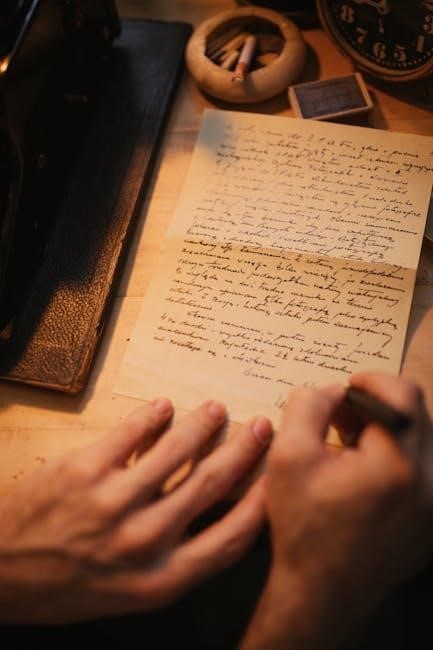
A fascinating glimpse into the creative process is offered by the early drafts of the Goodfellas script PDF, initially titled “Wiseguys.” Remarkably, a photocopy of one such draft, filled with Martin Scorsese’s personal handwritten notes, is believed to be one of only three in existence.
These notes provide invaluable insight into Scorsese’s directorial vision and his meticulous approach to character development and scene construction. The “Wiseguys” draft reveals the evolution of the story, showcasing early ideas and adjustments made throughout the writing process;
Studying this version of the Goodfellas script PDF allows aspiring filmmakers to witness Scorsese’s thought process firsthand, observing how he refined the narrative and shaped the iconic film we know today. It’s a rare and compelling artifact for serious script analysis.
Script Revisions: January 12, 1989 & September 8, 1989
The journey of the Goodfellas script PDF wasn’t a singular event, but a process of refinement through multiple revisions. Key milestones include drafts dated January 12, 1989, and September 8, 1989, showcasing the script’s evolution towards its final form.
Comparing these revisions reveals crucial changes in dialogue, scene structure, and character arcs. Analyzing the differences highlights how Scorsese and Pileggi collaboratively honed the narrative, tightening the pacing and enhancing the authenticity of the story.
Accessing these dated versions of the Goodfellas script PDF provides a unique opportunity to trace the script’s development, understanding the specific choices made to create a cinematic masterpiece. These revisions demonstrate the power of iterative writing and collaborative filmmaking.
The Script’s Basis: Nicholas Pileggi’s Novel
The acclaimed Goodfellas script PDF didn’t emerge from a vacuum; it’s deeply rooted in Nicholas Pileggi’s non-fiction novel, “Wiseguy.” This book, a meticulously researched account of Henry Hill’s life within the Lucchese crime family, served as the foundational text for the screenplay.
Pileggi himself co-wrote the script with Martin Scorsese, ensuring a faithful adaptation while also allowing for the cinematic liberties necessary for a compelling film. The Goodfellas script PDF reflects Pileggi’s detailed reporting and insider perspective, lending the story its gritty realism.
Understanding the novel’s influence is crucial for appreciating the script’s authenticity and narrative choices. The script isn’t merely an adaptation, but a collaborative transformation of true crime into a cinematic experience.
Key Elements of the Goodfellas Script
Goodfellas script PDF analysis reveals iconic quotes, complex character arcs, a non-linear plot, and remarkably authentic dialogue—all contributing to its enduring cinematic power.
Iconic Quotes and Their Significance
The Goodfellas script PDF is brimming with memorable lines that have permeated popular culture, showcasing the film’s sharp writing and realistic portrayal of mob life. Phrases like “As far back as I can remember, I always wanted to be a gangster” immediately establish Henry Hill’s perspective and ambition.
Other notable quotes, often delivered with brutal honesty, reveal the characters’ values and the code they live by. These aren’t merely clever lines; they’re windows into the psychology of individuals operating outside the law. Analyzing these quotes within the full Goodfellas script PDF context demonstrates how Scorsese and Pileggi used dialogue to build character and advance the narrative.
The significance lies in their authenticity and the way they encapsulate the film’s themes of loyalty, betrayal, and the allure of power. They aren’t just said; they define the world of Goodfellas.
Character Development in the Script
Examining the Goodfellas script PDF reveals masterful character development, particularly in how Henry Hill, Tommy DeVito, and Jimmy Conway are portrayed. The script doesn’t simply tell us who these characters are; it shows us through their actions, dialogue, and interactions.
Henry’s narration, a key element accessible within the Goodfellas script PDF, provides intimate access to his evolving mindset, from aspirational youth to paranoid informant. Tommy’s unpredictable violence and Jimmy’s calculated ruthlessness are gradually unveiled, creating complex and compelling figures.
Scorsese and Pileggi avoid simplistic portrayals, instead presenting characters with flaws and contradictions. The script’s detailed scenes and realistic dialogue contribute to a nuanced understanding of their motivations and ultimately, their tragic fates.
Plot Structure and Narrative Techniques
Analyzing the Goodfellas script PDF showcases a non-linear plot structure, a hallmark of Scorsese’s style. The narrative jumps across decades, mirroring Henry Hill’s fragmented memories and the chaotic nature of his life. This technique, evident throughout the Goodfellas script PDF, keeps the audience engaged and disoriented, mirroring Henry’s experience.
The script employs frequent voiceover narration, providing crucial context and insight into Henry’s internal world. This isn’t mere exposition; it’s a character-driven narrative device. Furthermore, the script utilizes quick cuts, freeze-frames, and tracking shots – visual techniques foreshadowed within the script’s descriptions.
The episodic structure, detailing various heists and violent encounters, builds momentum and reinforces the film’s themes of ambition and consequence.
Dialogue Style and Authenticity
The Goodfellas script PDF reveals a masterful command of dialogue, prioritizing realism and character voice above all else. Scorsese and Pileggi meticulously crafted conversations that feel raw, immediate, and distinctly New York Italian-American. Studying the Goodfellas script PDF demonstrates how slang, profanity, and rapid-fire exchanges contribute to the film’s gritty authenticity.
Dialogue isn’t simply about conveying information; it’s about establishing power dynamics, revealing character flaws, and building tension. The script’s use of vernacular language, coupled with nuanced delivery cues, creates a sense of immersion.
Pileggi’s background as a journalist, evident in the Goodfellas script PDF, informed the dialogue’s observational quality, capturing the rhythms and nuances of real-life conversations.
Learning from the Goodfellas Script
Goodfellas script PDF analysis unveils Scorsese’s genius in pacing, voiceover use, and visual storytelling—lessons applicable to any screenwriter’s toolkit.
Screenwriting Lessons from Scorsese’s Approach
Analyzing the Goodfellas script PDF reveals Scorsese’s masterful approach to screenwriting, offering invaluable lessons for aspiring filmmakers. The script demonstrates a commitment to authenticity, vividly portraying the world of organized crime through realistic dialogue and character development.
Scorsese’s collaboration with Nicholas Pileggi, adapting his non-fiction book, highlights the importance of thorough research and capturing the nuances of a specific subculture. The script’s structure, eschewing traditional three-act formatting, emphasizes a relentless pace and immersive narrative.
Furthermore, the Goodfellas script showcases the power of voiceover narration, used not as exposition, but as a window into the protagonist’s psyche. Studying the revisions – January 12, 1989, and September 8, 1989 – illustrates the iterative nature of the writing process and the refinement of key scenes.
The Use of Voiceover Narration
The Goodfellas script PDF brilliantly exemplifies the effective use of voiceover narration, a technique central to the film’s immersive storytelling. Unlike conventional narration that explains plot points, Henry Hill’s voiceover reveals his internal world and justifies his actions, drawing the audience into his perspective.
Analyzing the script demonstrates how Scorsese and Pileggi integrated narration seamlessly with visual storytelling, creating a dynamic interplay between what is shown and what is told. The voiceover isn’t merely descriptive; it’s confessional, darkly humorous, and often self-serving, mirroring Henry’s character;
This approach, evident throughout the Goodfellas screenplay, elevates the narration beyond a simple storytelling device, transforming it into a crucial element of characterization and thematic exploration, offering a unique cinematic experience.
Pacing and Rhythm in the Script
Examining the Goodfellas script PDF reveals Scorsese’s masterful control of pacing and rhythm, crucial to the film’s energetic and captivating style. The script doesn’t adhere to a traditional three-act structure; instead, it employs a rapid, episodic approach, mirroring the chaotic nature of mob life.
The Goodfellas screenplay utilizes short scenes, quick cuts, and a relentless forward momentum, creating a sense of urgency and immersion. Dialogue is often clipped and overlapping, further enhancing the film’s dynamic rhythm. This deliberate pacing isn’t accidental; it’s a stylistic choice that reflects Henry Hill’s frenetic lifestyle.
Analyzing the script demonstrates how Scorsese builds tension and releases it strategically, keeping the audience consistently engaged throughout the film’s runtime, a key lesson for aspiring screenwriters.
Visual Storytelling Techniques
The Goodfellas script PDF, while a textual document, hints at Scorsese’s exceptional visual storytelling prowess. The script’s stage directions aren’t overly descriptive, trusting the director’s vision, but they establish key moments ripe for iconic imagery. Consider the Copacabana sequence – the script sets the scene, but Scorsese’s direction elevates it to legendary status.
Analyzing the Goodfellas screenplay reveals a reliance on showing, not telling. Character motivations and relationships are often conveyed through actions and visual cues rather than extensive dialogue. The script’s structure allows for montage sequences and dynamic camera work, integral to the film’s impact.
Scorsese’s use of tracking shots and slow motion, foreshadowed in the script’s intent, demonstrates a commitment to visual storytelling that transcends the written word.
Resources for Script Analysis
ScriptStreams and The Movie Database offer the Goodfellas script PDF for study. Comparing it to scripts like The Godfather reveals stylistic differences.
ScriptStreams and Similar Platforms
ScriptStreams emerges as a valuable online repository for accessing the Goodfellas script PDF, allowing aspiring screenwriters and film students to delve into the intricacies of Scorsese and Pileggi’s work. The platform facilitates a detailed exploration of the script’s structure, dialogue, and narrative techniques.
Beyond ScriptStreams, several other platforms host screenplays for educational purposes, though availability can vary. These resources often provide a space for community discussion and analysis, fostering a deeper understanding of the filmmaking process. Users can dissect iconic scenes, examine character arcs, and appreciate the nuances of the script’s formatting.
Remember to always verify the legitimacy of the source when downloading scripts online, ensuring compliance with copyright regulations and fair use policies. Utilizing these platforms responsibly allows for a rich learning experience, unlocking the secrets behind a cinematic masterpiece.
Comparing Goodfellas to Other Mafia Scripts (e.g., The Godfather)
Analyzing the Goodfellas script PDF alongside other iconic mafia films, such as The Godfather, reveals distinct stylistic and narrative choices. While The Godfather adopts a more operatic and deliberate pace, focusing on family legacy and power dynamics, Goodfellas employs a frenetic, visceral energy, immersing the audience in the chaotic world of organized crime.
Scorsese’s script, based on Nicholas Pileggi’s non-fiction novel, prioritizes authenticity and a gritty realism, contrasting with the more mythologized portrayal in The Godfather. The voiceover narration in Goodfellas provides an intimate, first-person perspective, while The Godfather relies on a broader, more detached narrative scope.
Comparing these scripts illuminates different approaches to genre conventions, showcasing how stylistic choices impact the overall thematic resonance and audience engagement.
Legal Considerations & Fair Use
Goodfellas script PDF access is subject to copyright; use is generally permitted for educational purposes, but distribution requires proper licensing and adherence to fair use guidelines.
Copyright and Script Availability
Goodfellas, a cinematic masterpiece, remains protected by copyright law, meaning unauthorized reproduction and distribution of the Goodfellas script PDF are legally restricted. While obtaining a legitimate, officially licensed copy can be challenging, several online platforms offer access, often with caveats regarding usage rights.
Many available PDFs are sourced from fan repositories or educational archives, and their legality can be ambiguous. Downloading and using the script for personal study or academic analysis generally falls under fair use, but selling or publicly performing scenes requires explicit permission from the copyright holder – Paramount Pictures in this case.
It’s crucial to respect intellectual property rights and avoid contributing to copyright infringement. Exploring resources like ScriptStreams provides access, but always verify the source’s legitimacy and adhere to their terms of service. Remember, supporting the film industry through legal channels ensures continued creative output.

Educational Use of the Script PDF
The Goodfellas script PDF serves as an exceptional resource for film students, screenwriting enthusiasts, and anyone seeking to understand masterful storytelling. Analyzing Scorsese and Pileggi’s work provides invaluable lessons in character development, dialogue construction, and narrative pacing.
Instructors frequently utilize the script in courses focusing on screenplay structure, voiceover narration techniques, and the adaptation of literary works to film. Studying the revisions – drafts from January 12, 1989, and September 8, 1989 – reveals the evolution of the story and the collaborative process.
Fair use guidelines generally permit the use of copyrighted material for educational purposes, including classroom discussion and critical analysis. However, distributing copies beyond the classroom or using the script for commercial gain remains prohibited. Responsible and ethical engagement with the script enhances learning and appreciation for cinematic art.
The Enduring Legacy of the Goodfellas Script
Goodfellas’ script remains profoundly influential, demonstrating Scorsese’s mastery of visual storytelling and authentic dialogue, continuing to inspire filmmakers and screenwriters today.
Why the Goodfellas Script Remains Influential
Goodfellas’ screenplay continues to resonate with filmmakers and writers due to its groundbreaking narrative techniques and unflinching portrayal of a criminal underworld. The script’s innovative use of voiceover narration, delivered directly from Henry Hill’s perspective, immerses the audience in the story’s gritty reality.
Scorsese and Pileggi’s collaborative approach, rooted in Pileggi’s non-fiction novel, lends an unparalleled authenticity to the dialogue and character development. The script’s pacing, a masterful blend of frenetic energy and moments of quiet contemplation, keeps viewers captivated.
Furthermore, the script’s detailed character work, particularly the complex portrayal of Henry Hill, provides a compelling study in moral ambiguity. Analyzing the Goodfellas script PDF offers invaluable lessons in screenwriting, demonstrating how to build tension, create memorable characters, and craft a truly unforgettable cinematic experience.