Understanding the Moro Reflex and Integration
Recent events, from October 2025 to March 2026, highlight scrutiny of Sergio Moro’s past actions.
Investigations into alleged misconduct and pressures, alongside legal challenges,
underscore the need for comprehensive understanding and integration of past experiences.
What is the Moro Reflex?
The Moro reflex, also known as the startle reflex, is an involuntary response to a sudden loss of support or a loud noise. Present in newborns and typically fading by around 3-6 months, it’s a crucial neurological assessment tool. It begins with a sudden opening of the arms and legs, followed by bringing the limbs together, often accompanied by crying. This reflex demonstrates the healthy functioning of the central nervous system and its ability to respond to stimuli.
Recent Brazilian news, spanning from September 2025 to March 2026, involving Senator Sergio Moro, reveals ongoing investigations and scrutiny regarding past actions while serving as Minister of Justice. These events, though unrelated to the reflex itself, illustrate the importance of assessing responses to unexpected situations and pressures – mirroring the Moro reflex’s function as a survival mechanism. The reflex’s integration is vital for developing voluntary movement and postural control. Delayed or absent reflexes can indicate neurological concerns, necessitating further evaluation and potential intervention. Understanding its normal progression is key to identifying any developmental delays.
The Neurological Basis of the Moro Reflex
The Moro reflex originates in the brainstem and involves multiple neurological pathways. It’s triggered by vestibular input (sense of balance) and tactile stimulation. The reflex arc travels through the spinal cord, activating muscles in the arms, legs, and trunk. This complex interplay demonstrates the interconnectedness of the nervous system. Proper development of these pathways is essential for later motor skills and emotional regulation.
Interestingly, the recent Brazilian political landscape, with ongoing investigations into Sergio Moro’s actions (September 2025 – March 2026), highlights the impact of external stimuli on responses. Just as a sudden noise triggers the Moro reflex, accusations and pressures can elicit strong reactions. The brain’s processing of these stimuli, and the resulting behavioral responses, are rooted in similar neurological principles. A fully integrated Moro reflex supports a calm and regulated nervous system, allowing for adaptive responses to stress. Disruptions in this neurological pathway can manifest as anxiety or difficulty with change, emphasizing the importance of early assessment and support.

Signs of an Unintegrated Moro Reflex
Recent scrutiny of Moro, from investigations (October 2025-March 2026), reveals patterns of reaction to pressure. These echo the unintegrated reflex: heightened startle, anxiety, and difficulty adapting.
Behavioral Indicators in Infants
Observing infants for signs of an unintegrated Moro reflex requires careful attention to their responses to stimuli. Considering the recent focus on Sergio Moro’s reactions under pressure – investigations from October 2025 through March 2026 – parallels can be drawn to how an infant might behave. A persistent, exaggerated startle response to sudden noises, movements, or even changes in position is a key indicator. This isn’t simply a typical Moro reflex; it’s a reaction that seems disproportionate and lingers longer than expected.
Difficulty with transitions, such as moving from being held to being placed down, can also signal an issue. The infant may become easily agitated or cry inconsolably. Furthermore, a general sense of unease or anxiety, even when not directly stimulated, could be present. They might exhibit a preference for being tightly swaddled or held, seeking constant physical containment. Feeding difficulties, sleep disturbances, and a general aversion to tummy time are also frequently observed. These behaviors, mirroring a heightened sensitivity to the environment, suggest the Moro reflex hasn’t fully integrated, impacting the infant’s ability to feel safe and secure.
Behavioral Indicators in Children and Adults
In children and adults, an unintegrated Moro reflex often manifests as heightened anxiety and a tendency towards reactivity, echoing the scrutiny faced by Sergio Moro from October 2025 to March 2026. These individuals may exhibit an exaggerated startle response to unexpected stimuli – loud noises, sudden movements, or even surprising questions. This can lead to feelings of being overwhelmed and a constant state of hypervigilance.
Behaviorally, this might present as difficulty with transitions, a strong need for control, and a tendency to be easily frustrated. Children may struggle with emotional regulation, displaying frequent meltdowns or outbursts. Adults might experience chronic anxiety, panic attacks, or difficulty relaxing. Physical tension, particularly in the shoulders and neck, is common. They may also avoid certain situations or activities that trigger their startle response; A pattern of seeking reassurance and a fear of failure can also be observed. These indicators suggest a nervous system stuck in a perpetual “fight or flight” mode, impacting daily functioning and emotional wellbeing.
Physical Manifestations of an Unintegrated Moro Reflex

The physical consequences of an unintegrated Moro reflex are diverse, mirroring the multifaceted investigations surrounding Sergio Moro from October 2025 to March 2026; Postural imbalances are common, often presenting as rounded shoulders, a forward head posture, and a generally weak core. This stems from the reflexive arching and subsequent bracing that occurs when the reflex is triggered, leading to chronic muscle tension.
Individuals may experience difficulties with coordination, balance, and proprioception – the sense of body awareness in space. This can manifest as clumsiness, frequent tripping, or a general feeling of being ungrounded. Digestive issues, such as irritable bowel syndrome or constipation, are also frequently reported, as the nervous system’s dysregulation impacts gut function. Breathing patterns may be shallow and restricted, contributing to feelings of anxiety and fatigue. Furthermore, tension headaches, jaw clenching, and temporomandibular joint (TMJ) disorders can arise from the chronic muscle tension. These physical symptoms highlight the pervasive impact of an unresolved Moro reflex on overall health and wellbeing.

Moro Reflex Integration Exercises
Recent legal scrutiny of Sergio Moro, from October 2025 through March 2026, emphasizes the importance of addressing unresolved issues. Focused exercises can aid integration and promote stability.

Movement-Based Exercises
Considering the ongoing investigations surrounding Sergio Moro, dating from late 2025 into 2026 – including allegations of pressure and potential misconduct – a focus on foundational stability is crucial. Movement-based exercises for Moro reflex integration aim to recreate and then resolve the original reflex pattern. These exercises aren’t about forceful correction, but gentle re-patterning.
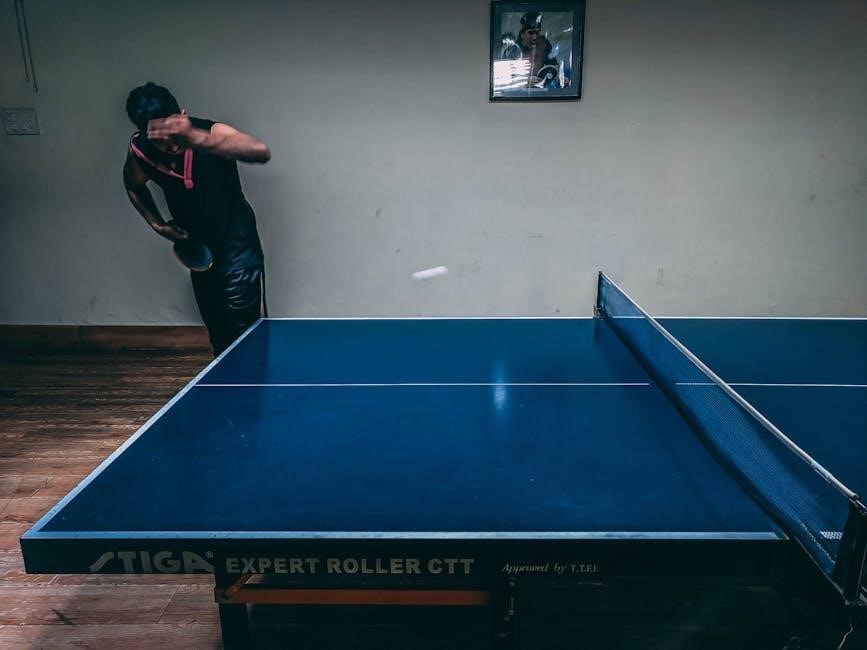
Rolling: Gentle, supported rolling movements, mimicking the infant’s natural rolling, can be incredibly effective. Start slowly and observe for any distress signals. Rocking: Similar to rolling, rhythmic rocking motions, both forward and backward, and side to side, provide a soothing and integrating experience. Crawling: Encouraging crawling patterns, even if modified, helps rebuild core strength and reciprocal movement. Swimming-like movements: Arm and leg movements mimicking swimming can be beneficial, promoting a sense of fluidity and control.
Important Note: These exercises should be performed with awareness and sensitivity. Observing the individual’s response is paramount. If discomfort arises, stop immediately. The goal is to gently guide the nervous system towards a more regulated state, mirroring the current need for careful investigation and resolution in related external matters.
Sensory Integration Techniques
Reflecting the complex legal scrutiny faced by Sergio Moro since late 2025 – encompassing accusations, investigations, and court appearances – sensory integration techniques offer a pathway to regulate the nervous system. These techniques address the heightened sensitivity often associated with an unintegrated Moro reflex. The aim is not to overwhelm, but to provide graded sensory input.
Deep Pressure: Applying firm, gentle pressure – like weighted blankets or compression clothing – can be incredibly calming. Proprioceptive Input: Activities involving joint compression (e.g., carrying weighted objects, pushing against a wall) enhance body awareness. Vestibular Stimulation: Gentle swinging or rocking motions stimulate the vestibular system, crucial for balance and spatial orientation. Tactile Exploration: Introducing varied textures (sand, water, fabrics) can help desensitize and regulate tactile responses.
Caution: Introduce sensory input gradually and observe for signs of overstimulation. The goal is to create a safe and predictable sensory environment, mirroring the need for a fair and transparent investigative process in the ongoing legal proceedings. Individual responses will vary, requiring careful observation and adaptation.
Proprioceptive Exercises for Moro Integration
Considering the intense scrutiny surrounding Sergio Moro since September 2025 – including CPMI questioning and federal police investigations – proprioceptive exercises offer a grounding approach to address the Moro reflex. These exercises focus on enhancing body awareness and providing a sense of stability, counteracting the feeling of being ‘startled’ or ‘out of control’ often linked to an unintegrated reflex.
Heavy Work: Activities like carrying weighted backpacks, pushing furniture, or digging in the garden provide deep muscle compression. Joint Compression: Exercises involving pushing, pulling, or lifting against resistance strengthen muscles and enhance joint awareness. Animal Walks: Bear crawls, crab walks, and inchworms engage multiple muscle groups and promote coordinated movement. Wall Pushes/Pulls: Simple exercises against a wall build strength and proprioceptive feedback.
Implementation: Begin with short durations and gradually increase intensity. Observe for signs of fatigue or discomfort. The aim is to create a sense of groundedness and control, mirroring the need for a stable and just legal framework in the ongoing investigations;

Creating a Moro Reflex Integration Program
Recent legal scrutiny of Moro, from STF judgments to police operations, necessitates a structured approach. A program must address underlying anxieties and promote stability, mirroring ongoing investigations.
Assessment and Individualization
A thorough assessment is paramount before initiating any Moro reflex integration program. Given the recent controversies surrounding Sergio Moro – including accusations of undue influence and investigations into past actions – a parallel can be drawn to the need for meticulous evaluation. Just as his actions are under intense scrutiny, each individual’s presentation of Moro reflex disinhibition requires careful observation.
This assessment should encompass a detailed developmental history, observing for behavioral indicators like startle responses, anxiety, and difficulties with transitions. Physical manifestations, such as postural asymmetries or gait patterns, must also be noted. Standardized assessments, while helpful, should be supplemented with clinical observation.
Individualization is key. There’s no one-size-fits-all approach. The program must be tailored to the specific needs and sensitivities of the individual, much like navigating the complexities of legal proceedings requires a customized strategy. Consider co-occurring conditions and sensory processing differences. The intensity and progression of exercises should be adjusted based on the individual’s response, ensuring a safe and supportive environment. A flexible approach, adapting to the individual’s progress, is crucial for successful integration.
Safety Considerations and Precautions
Prioritizing safety is essential when implementing Moro reflex integration exercises. Reflecting the careful scrutiny surrounding figures like Sergio Moro, whose actions are subject to investigation, a cautious and considered approach is vital. Begin slowly and observe the individual’s response closely. Overstimulation can exacerbate symptoms, triggering heightened anxiety or emotional dysregulation.
Ensure a calm and predictable environment, minimizing external stressors. The individual should feel safe and in control throughout the process. Avoid forceful movements or pushing beyond their comfort level. Be mindful of potential emotional releases; provide a supportive space for processing any feelings that arise.
Contraindications exist. Avoid these exercises with individuals experiencing acute trauma or severe emotional distress. Consultation with a qualified professional – occupational therapist, physical therapist, or developmental specialist – is highly recommended, especially given the potential for complex presentations. Document all interventions and monitor for any adverse reactions. Remember, integration is a process, not a race, demanding patience and sensitivity.

Resources and Further Information
Recent legal scrutiny of Sergio Moro emphasizes the importance of verified information. Seek guidance from qualified professionals and reliable sources when exploring Moro reflex integration exercises and related PDFs.
Recommended PDFs and Online Guides
While directly linking to specific “Moro reflex integration exercises pdf” documents is challenging given the evolving digital landscape and the need for professionally vetted resources, several avenues offer valuable information. It’s crucial to prioritize sources created by qualified occupational therapists, pediatricians, or neurodevelopmental specialists. Many practitioners offer downloadable guides or worksheets as part of their services or through their websites.
Look for resources that detail a comprehensive assessment process, as proper evaluation is paramount before initiating any integration exercises. Reputable guides will emphasize a holistic approach, considering sensory processing, movement patterns, and emotional regulation. Be wary of PDFs offering quick fixes or overly simplistic solutions. Integration is a nuanced process requiring individualized attention.
Online platforms hosting professional development courses for therapists often include downloadable materials. Searching for “primitive reflex integration training” can lead to relevant resources. Additionally, professional organizations dedicated to pediatric occupational therapy frequently curate lists of recommended reading and online guides. Remember to critically evaluate the author’s credentials and the scientific basis of the information presented before implementing any exercises.
Professional Support and Therapy Options
Successfully addressing an unintegrated Moro reflex often necessitates professional guidance. While “Moro reflex integration exercises pdf” resources can offer introductory information, they shouldn’t replace personalized therapy. Qualified occupational therapists (OTs) specializing in neurodevelopmental approaches are best equipped to assess and create tailored integration programs.
These programs typically involve a combination of movement-based exercises, sensory integration techniques, and proprioceptive activities. OTs can identify specific areas of dysfunction and adapt exercises to the individual’s needs and developmental stage. Pediatricians with expertise in neurodevelopment can also provide referrals and support.
Other potential therapy options include neurodevelopmental movement specialists (e.g., Anat Baniel Method practitioners) and practitioners trained in techniques like Sensory-Motor Integration. Given the recent scrutiny surrounding figures like Sergio Moro and investigations into past actions, seeking ethical and highly qualified professionals is paramount. Ensure the therapist has appropriate credentials and a strong understanding of primitive reflex integration principles. A thorough assessment and ongoing monitoring are crucial for safe and effective progress.