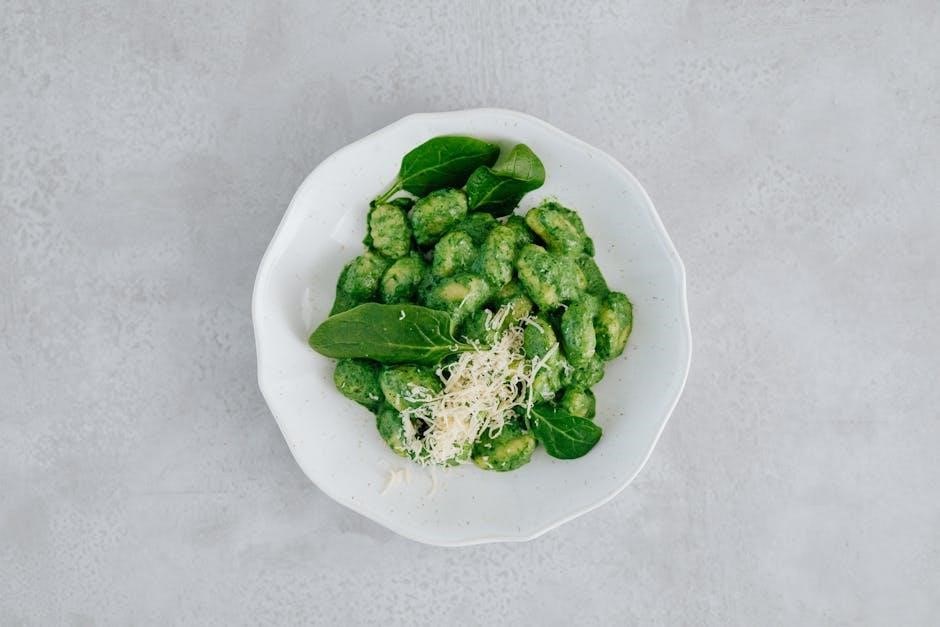
Kirkland Spinach and Cheese Ravioli: A Comprehensive Cooking Guide
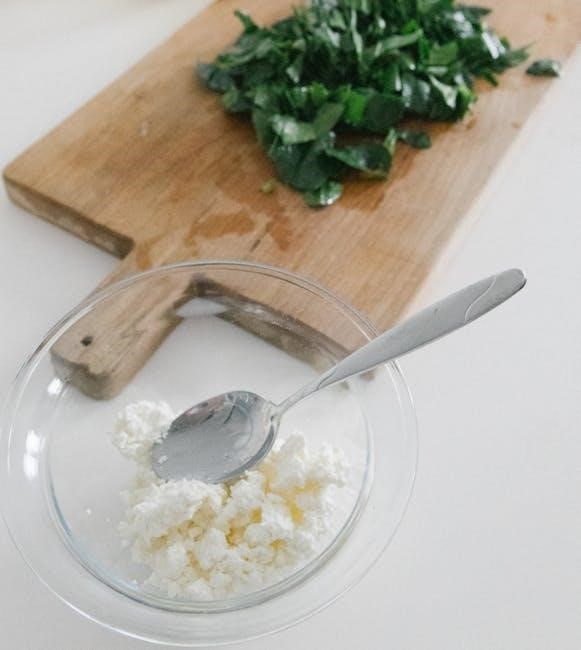
Kirkland Signature Spinach & Cheese Ravioli offers a quick, convenient meal. Simply boil water, cook the pasta for 4-6 minutes, drain, and add your favorite sauce for a delightful experience!
Kirkland Signature Spinach & Cheese Ravioli has become a staple in many households, celebrated for its convenience and satisfying flavor. Sourced from Costco, these refrigerated pastas offer a remarkably quick and easy meal solution, perfect for busy weeknights or when a comforting dish is desired without extensive preparation. The appeal lies in their simplicity – a shortcut to a homemade-style Italian classic.
These aren’t your typical frozen ravioli; Kirkland offers a fresh pasta experience, requiring only a short boiling time to achieve perfectly tender results. This freshness contributes significantly to their taste and texture, setting them apart from longer-cooking alternatives. Many home cooks appreciate the quality ingredients and the ability to create a delicious meal in under ten minutes.
The popularity of Kirkland ravioli extends beyond convenience. They provide a versatile base for countless sauce pairings, from classic tomato sauces to creamy pesto or simple olive oil and parmesan. Whether you’re a seasoned chef or a novice in the kitchen, these ravioli offer a reliable and enjoyable culinary experience. They truly embody the ease and value that Costco is known for.
Understanding the Product: Fresh vs. Frozen
Kirkland Signature Spinach & Cheese Ravioli distinguishes itself within the pasta aisle as a fresh refrigerated product, a key difference from the more common frozen varieties. This distinction profoundly impacts cooking time and overall texture. Frozen ravioli typically require a longer boiling period to ensure the filling is heated through and the pasta is properly cooked, often resulting in a slightly softer texture.
Fresh ravioli, like Kirkland’s, boast a delicate pasta shell and a more vibrant filling flavor. Because they haven’t undergone the freezing process, they cook significantly faster – generally within 4-6 minutes. This quicker cooking time preserves the integrity of the pasta, preventing it from becoming mushy. The shorter cook time also means less starch is released into the water, contributing to a cleaner sauce adhesion.
Choosing between fresh and frozen ultimately depends on your needs and preferences. If convenience and extended shelf life are paramount, frozen ravioli are a viable option. However, for a superior taste and texture, and a remarkably quick meal, Kirkland’s fresh refrigerated ravioli offer an unparalleled experience. The difference is noticeable with every bite.
Checking the Expiration Date and Storage
Kirkland Signature Spinach & Cheese Ravioli, being a fresh pasta product, demands careful attention to its expiration date and proper storage to ensure both safety and optimal quality. Always locate and verify the “use by” or “sell by” date printed on the package before purchasing or consuming. Consuming past this date is not recommended, as it may compromise flavor and potentially pose a health risk.
Upon bringing the ravioli home, immediate refrigeration is crucial. Maintain a consistent refrigerator temperature of 40°F (4°C) or below. Store the unopened package on a lower shelf, away from potential temperature fluctuations near the door. Once opened, transfer any unused portion to an airtight container to prevent drying and maintain freshness.
Recent reports suggest a potential for mold development, even before the expiration date, particularly with holiday-themed varieties; Vigilantly inspect the ravioli for any signs of mold – discoloration, fuzzy spots, or an unusual odor – before cooking. Discard immediately if any mold is detected. Proper storage significantly extends shelf life and minimizes the risk of spoilage, guaranteeing a delicious and safe meal.
Optimal Water to Ravioli Ratio
Achieving perfectly cooked Kirkland Signature Spinach & Cheese Ravioli begins with understanding the ideal water-to-ravioli ratio. A generous amount of water is paramount to prevent sticking and ensure even cooking. As a general guideline, use at least 6 quarts of water for the entire package (approximately 20-24 ounces) of ravioli.
This ample volume allows the ravioli to move freely during boiling, minimizing clumping. Insufficient water leads to a crowded pot, resulting in unevenly cooked, sticky ravioli. The water should be deep enough to fully submerge all the ravioli without overcrowding.
Furthermore, adding enough water helps maintain a consistent boiling temperature when the ravioli are introduced. A significant temperature drop can lead to sticking and a mushy texture. Remember, the goal is gentle cooking, allowing the ravioli to become tender without falling apart. Prioritizing a sufficient water volume is a simple yet crucial step towards a delightful culinary outcome.
Boiling Instructions: Step-by-Step
Preparing Kirkland Signature Spinach & Cheese Ravioli is remarkably straightforward. Begin by filling a large pot with at least 6 quarts of water and bringing it to a rolling boil. Once boiling, add a generous pinch of salt – this seasons the ravioli from within.
Gently add the frozen (or refrigerated) ravioli to the boiling water. Avoid adding all the ravioli at once, as this can lower the water temperature too drastically. Stir immediately to prevent sticking. Maintain a gentle boil throughout the cooking process.
Reduce heat if necessary to prevent a vigorous boil that could damage the delicate ravioli. Cook for 4-6 minutes, or until the ravioli float to the surface and are tender. Regularly check for doneness by carefully removing one ravioli and tasting it. Remember, gentle handling is key to preserving their shape and preventing breakage. Drain immediately once cooked to perfection.
Cooking Time: Achieving Perfect Texture (4-6 Minutes)
The ideal cooking time for Kirkland Signature Spinach & Cheese Ravioli typically falls within the 4-6 minute range, but achieving perfect texture requires careful observation. Begin checking for doneness around the 4-minute mark. The ravioli are nearing completion when they begin to float to the surface of the boiling water.
However, floating isn’t a definitive indicator of readiness. Carefully remove one ravioli with a slotted spoon and taste it. The pasta should be tender but still slightly firm to the bite – al dente. Overcooking results in mushy ravioli, while undercooking leaves them with a tough, unpleasant texture.
Cooking time can vary slightly depending on whether you’re using fresh or frozen ravioli, and the intensity of your stovetop. A gentle simmer is preferable to a violent boil. Remember, a little experimentation may be needed to find the sweet spot for your kitchen and preferences.
Identifying When the Ravioli are Done
Determining when Kirkland Spinach & Cheese Ravioli are perfectly cooked involves a combination of visual cues and a crucial taste test. While the package may suggest 4-6 minutes, relying solely on time isn’t recommended. The initial sign is when the ravioli begin to rise and float to the water’s surface; however, this indicates they’re approaching doneness, not necessarily at doneness;
To accurately assess, carefully remove a single ravioli using a slotted spoon. Gently bite into it. The pasta should yield easily, offering a tender yet slightly firm texture – what chefs refer to as “al dente.” The spinach and cheese filling should be heated through.
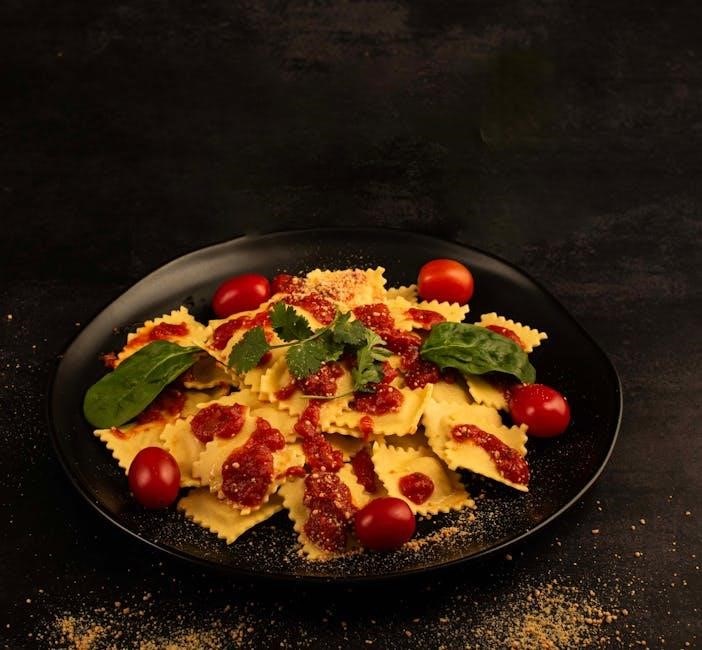
If the ravioli feels tough or resistant, continue cooking for another minute and repeat the test. Conversely, if it’s overly soft or begins to fall apart, you’ve likely overcooked it. Consistent checking ensures a delightful, perfectly textured ravioli experience every time.
Preventing Ravioli from Sticking Together
One of the most common frustrations when cooking Kirkland Spinach & Cheese Ravioli is preventing them from clumping into a single, large mass. Several techniques can effectively combat this issue. First, ensure you’re using a sufficiently large pot with ample water – a generous water-to-ravioli ratio is key.
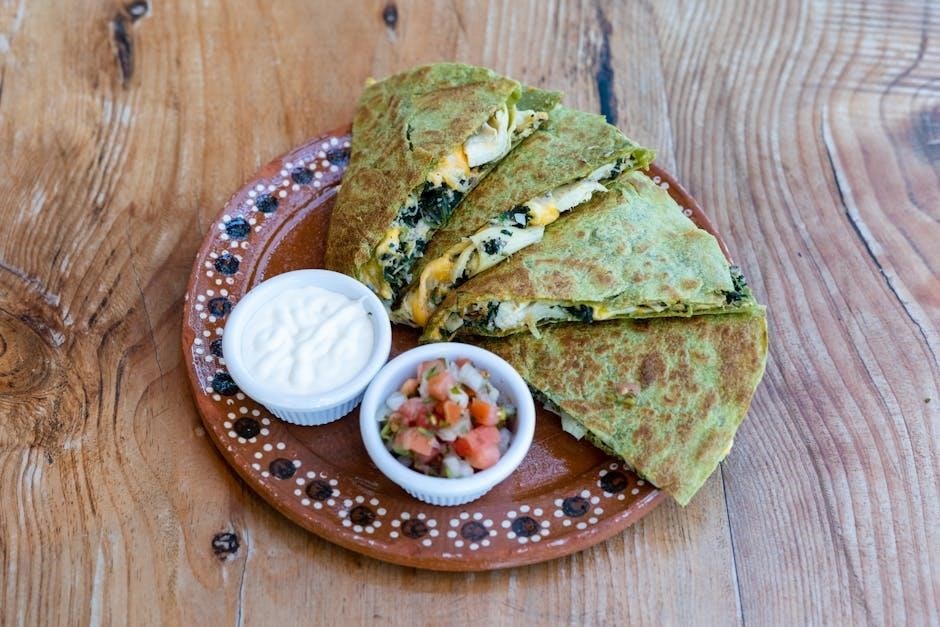
Immediately after adding the ravioli to the boiling water, gently stir them to separate any that are already touching. Continue stirring occasionally during the first two minutes of cooking. Adding a tablespoon of olive oil to the water can also create a slight barrier, reducing stickiness.
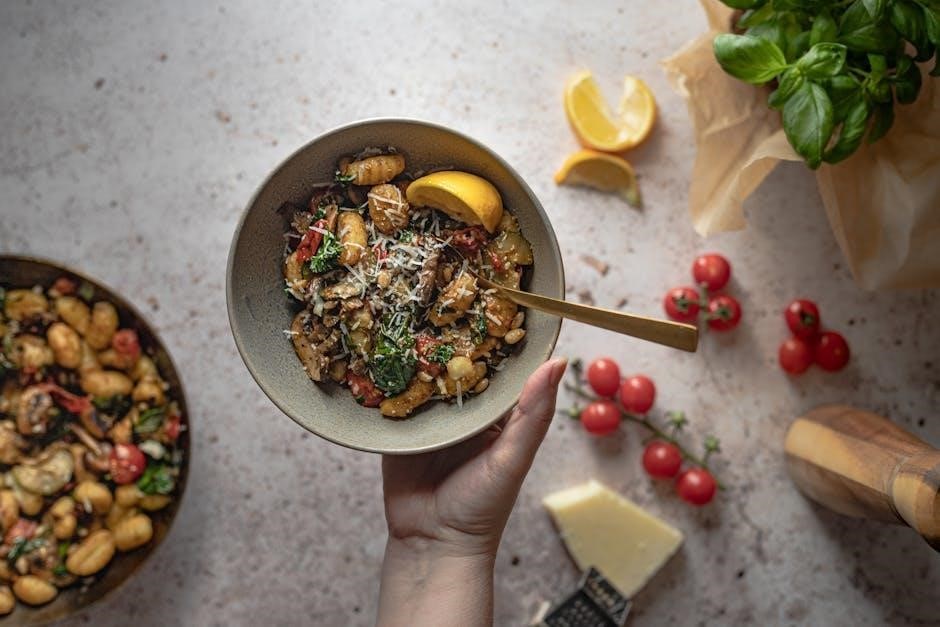
Avoid overcrowding the pot; cook the ravioli in batches if necessary. Overcrowding lowers the water temperature and increases the likelihood of sticking. Careful attention and gentle agitation during the initial stages of cooking will yield perfectly separated, individual ravioli ready for your favorite sauce.
Draining the Ravioli Effectively
Properly draining the Kirkland Spinach & Cheese Ravioli is crucial to prevent a soggy final dish and maintain their delicate structure. Avoid simply dumping the cooked ravioli into a colander, as this can cause them to rupture and stick together. Instead, opt for a more gentle approach.
Carefully lift the ravioli out of the boiling water using a slotted spoon or a spider strainer, allowing excess water to drain back into the pot. Transfer the ravioli in batches to the colander, preventing overcrowding. A quick, gentle shake of the colander will remove any remaining water.

Avoid rinsing the ravioli with cold water unless your recipe specifically calls for it, as this can wash away starches that help the sauce adhere. Immediately toss the drained ravioli with your chosen sauce to prevent sticking and ensure even coating. A swift and careful draining process preserves the ravioli’s integrity and enhances the overall flavor.
Sauce Pairings: Classic and Creative Options
Kirkland Spinach & Cheese Ravioli’s mild, cheesy filling lends itself beautifully to a wide array of sauces, from traditional Italian favorites to more inventive combinations. Classic pairings include a simple tomato sauce, enhanced with fresh basil and a drizzle of olive oil. A creamy Alfredo sauce provides a rich and decadent experience, complementing the spinach and cheese perfectly.
For a lighter option, consider a lemon-butter sauce with capers and parsley, offering a bright and zesty counterpoint to the ravioli’s richness. Pesto, whether traditional basil pesto or a sun-dried tomato pesto, adds a vibrant herbaceous note.
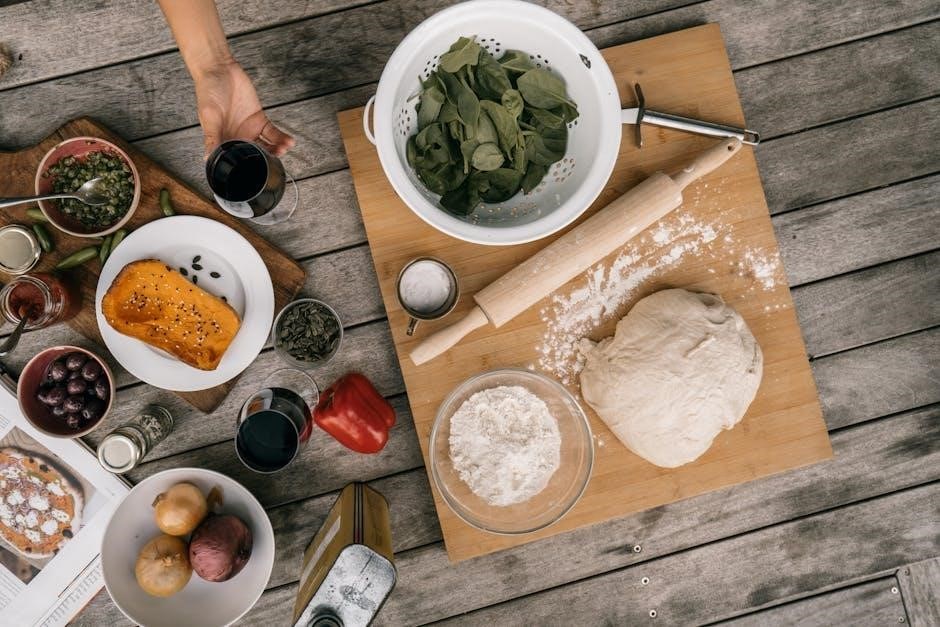
Don’t be afraid to experiment! A brown butter sage sauce offers a nutty and aromatic flavor profile, while a creamy mushroom sauce provides an earthy depth. Finish with freshly grated Parmigiano-Reggiano or a sprinkle of red pepper flakes for added complexity. The possibilities are endless, allowing you to customize your meal to your preferences.
Serving Suggestions: Garnishes and Sides
Elevate your Kirkland Spinach & Cheese Ravioli meal with thoughtful garnishes and complementary sides. A simple sprinkle of freshly grated Parmigiano-Reggiano or Pecorino Romano cheese instantly enhances the flavor and presentation. Freshly chopped herbs, such as basil, parsley, or rosemary, add a vibrant touch and aromatic complexity.
For a more substantial meal, pair the ravioli with a crisp side salad featuring mixed greens, cherry tomatoes, and a light vinaigrette. Roasted vegetables, like asparagus, broccoli, or bell peppers, provide a healthy and flavorful accompaniment. Garlic bread, toasted to golden perfection, is a classic choice for soaking up any remaining sauce.
Consider a side of sautéed spinach or garlic-infused green beans to complement the ravioli’s spinach filling. A drizzle of high-quality olive oil and a pinch of red pepper flakes can add a final flourish. Don’t underestimate the power of a simple lemon wedge for brightening the flavors!
Addressing Mold Concerns & Shelf Life
Kirkland Spinach & Cheese Ravioli, being a fresh pasta product, requires careful attention to storage and shelf life to prevent mold growth. Consumers have reported instances of mold appearing before the printed expiration date, particularly with holiday-themed varieties. This suggests potential variations in production batches or storage conditions.
Always check the expiration date before purchasing and immediately refrigerate the ravioli upon arriving home. Store it in the coldest part of the refrigerator, ideally between 34°F and 40°F (1°C and 4°C). If you notice any discoloration, unusual odor, or visible mold, discard the entire package immediately – do not consume it.
Generally, fresh ravioli is best consumed within 3-5 days of purchase, even if the expiration date is further out. To maximize shelf life, consider freezing unopened packages. Proper storage is crucial for ensuring food safety and enjoying the product at its best quality. Prioritize visual inspection and smell tests before cooking.
Troubleshooting: Ravioli Falling Apart
Kirkland Spinach & Cheese Ravioli can sometimes be delicate and prone to falling apart during cooking. Several factors can contribute to this issue, but it’s usually avoidable with careful technique. Overcrowding the pot is a primary culprit; ensure the ravioli have ample space to move freely.
Aggressive boiling is another common mistake. Maintain a gentle simmer rather than a rolling boil. This minimizes the physical stress on the pasta. Avoid stirring vigorously, as this can also cause breakage. A gentle nudge with a spoon is sufficient to prevent sticking.

Overcooking is a significant factor. Adhering to the recommended 4-6 minute cooking time is crucial. Test for doneness by gently lifting a ravioli – it should be tender but still hold its shape. If the ravioli are consistently falling apart, try reducing the cooking time slightly. Handle the cooked ravioli with care when draining and transferring to sauce.
Reheating Leftover Kirkland Ravioli
Kirkland Spinach & Cheese Ravioli leftovers can be enjoyed just as much as the first serving, but proper reheating is key to maintaining their texture and flavor. Avoid prolonged reheating, as this can lead to mushiness. The best method is a quick sauté in a pan with a little olive oil or butter.
Heat a non-stick skillet over medium heat. Add a tablespoon of oil or butter and gently place the ravioli in the pan. Cook for 2-3 minutes, flipping halfway through, until heated through and slightly crispy. Alternatively, you can gently reheat them in a sauce.
Adding the leftover ravioli to a simmering sauce for a few minutes will warm them through without drying them out. Microwaving is possible, but often results in uneven heating and a softer texture. If microwaving, add a splash of water to prevent drying and heat in short intervals.
Nutritional Information and Ingredients Overview
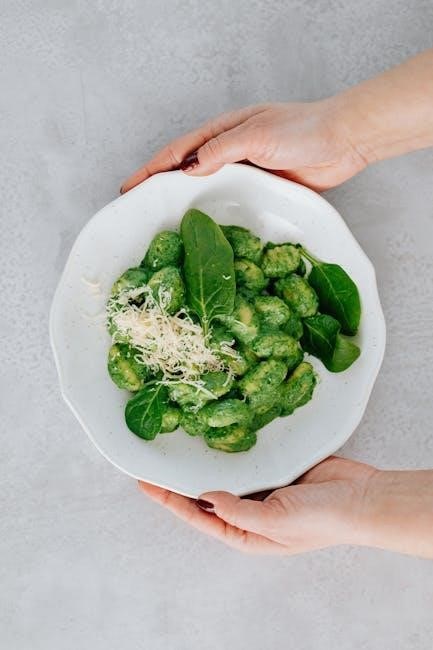
Kirkland Signature Spinach & Cheese Ravioli provides a convenient meal, but understanding its nutritional content and ingredients is important. While specific values vary, a typical serving size (approximately 8 ravioli) contains around 300-400 calories, with a moderate amount of fat and carbohydrates;
The primary ingredients include enriched flour, ricotta cheese, spinach, parmesan cheese, eggs, and seasonings. It’s worth noting the presence of wheat and dairy, making it unsuitable for those with gluten or lactose intolerance. The ravioli also contains natural and artificial flavors, as well as preservatives to maintain freshness;
For a healthier approach, consider pairing the ravioli with a light sauce and a side of steamed vegetables. Being mindful of portion sizes is also crucial. Individuals seeking detailed nutritional information should refer to the packaging for the most accurate and up-to-date details regarding vitamins, minerals, and macronutrient breakdown.